

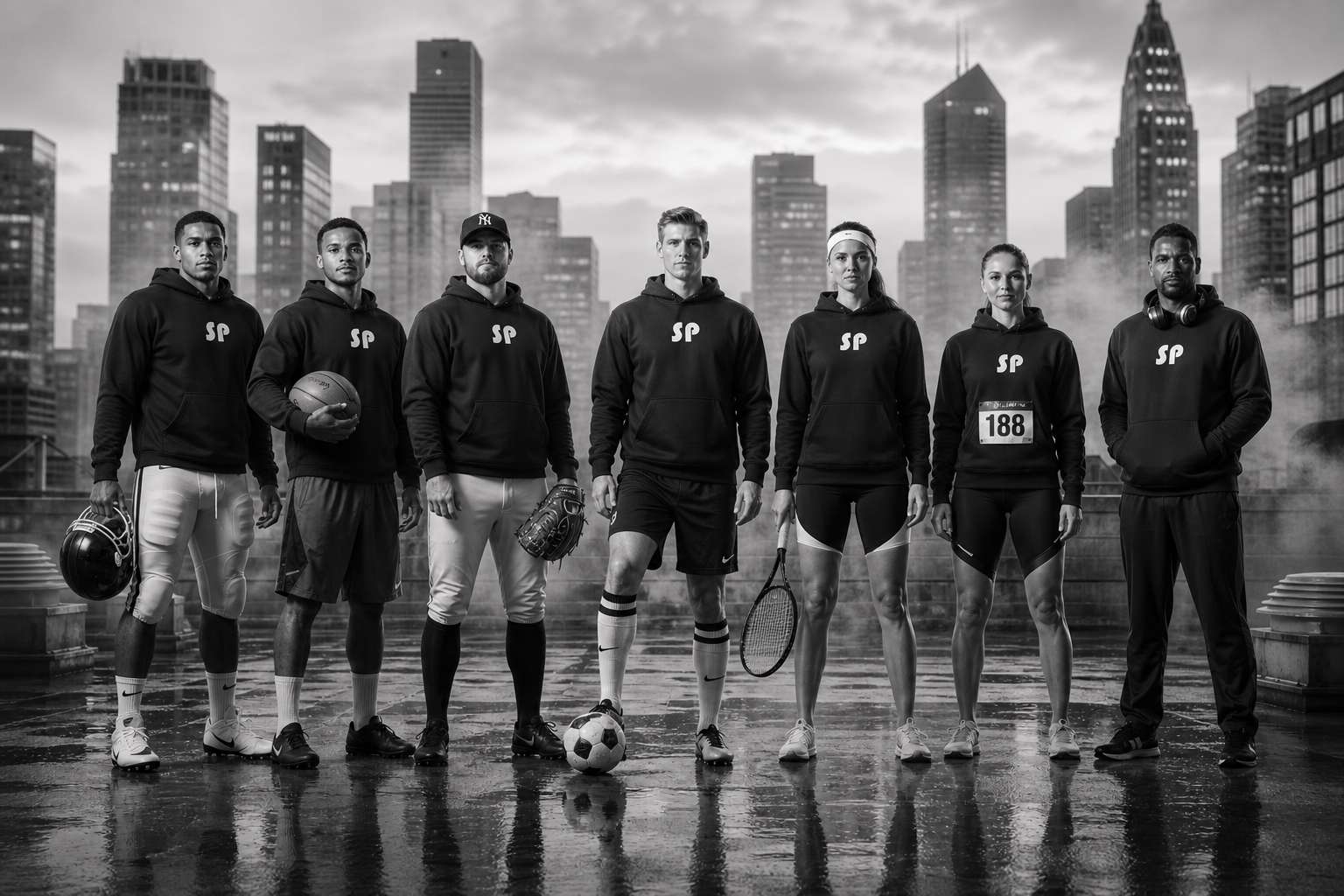
Name, Image, and Likeness (NIL)
Name, Image, and Likeness (NIL) rights allow student-athletes to earn compensation from their personal brand while maintaining college eligibility. For decades, athletes generated millions in revenue for universities, conferences, and surrounding communities through ticket sales, media contracts, and economic activity, yet they were prohibited from receiving direct financial benefits. NIL represents a long-overdue shift that acknowledges the value student-athletes contribute on and off the field.
Current State
The modern NIL era was accelerated by the Supreme Court’s 2021 decision in NCAA v. Alston, which challenged limits on education-related benefits for student-athletes. Since then, athletes across the country have signed NIL deals with local businesses, national brands, and digital platforms. Universities are rapidly developing support systems to help athletes understand contracts, taxes, and long-term brand building, though opportunities still vary by sport, gender, and market size.
Future State
As NIL continues to evolve, standardization and regulation are expected to improve transparency and fairness across all programs. Legislatures and policymakers are actively debating whether college athletes should be classified as full-time employees, which could extend benefits such as health coverage and collective bargaining rights. This creates significant uncertainty around how to define an athlete’s employment status, income, and tax obligations. At the same time, universities and the NCAA have pushed back against full employment classification, citing concerns about costs, program sustainability, and the traditional amateur model of college sports. Financial literacy, tax planning, and wealth-building strategies will become critical tools for athletes navigating this shifting landscape, and Spinance positions itself as a trusted resource to help athletes maximize NIL opportunities while protecting long-term financial health.
International Students
International student-athletes face unique challenges in NIL due to visa restrictions and federal regulations that limit off-campus employment. More than 20,000 international NCAA athletes—about 12% of all college athletes—have been excluded from the NIL industry, representing an estimated $13.28 million in lost potential earnings. Their visa status (commonly F-1) treats most NIL activity as “active” work, which may violate immigration law and risk deportation, loss of visa status, or even restrictions on future professional opportunities. Absent clear federal guidance, most institutions advise international athletes to avoid NIL altogether or only pursue opportunities abroad, where the work and payment occur outside U.S. jurisdiction. Spinance advocates for inclusive solutions and advises structuring NIL deals carefully—possibly via passive income, licensing in home countries, or regulatory reform—to help international athletes benefit while staying compliant.
Personal Finance
Income and Budgeting
Income and budgeting involve tracking how money comes in and goes out to ensure financial stability. Creating a budget helps prioritize essential expenses, manage discretionary spending, and avoid overspending. Regularly reviewing your income and expenses allows you to make informed decisions and plan for short-term and long-term financial goals.
Saving and Investing
Saving and investing are about setting aside money for future needs while growing wealth over time. Short-term savings cover emergencies and planned expenses, while long-term investments—such as stocks, bonds, and retirement accounts—help build financial security. Developing a consistent savings habit and understanding investment options are key to achieving both personal and financial goals.
Risk Management, Debt, and Credit
Risk management focuses on protecting your finances from unexpected events that could cause hardship. This includes having insurance policies, managing debt responsibly, and creating an emergency fund. Maintaining good credit, monitoring your credit score, and making timely payments are essential parts of financial protection, ensuring that setbacks do not derail your long-term financial stability.
AI and the Future of NIL and Personal Finance
Smart NIL Insights
AI tools analyze social media, engagement metrics, and brand value to help athletes identify the most lucrative opportunities. They can predict deal ROI, optimize sponsorships, and simplify contract evaluation. SPinance empowers athletes to leverage AI to maximize earnings while avoiding exploitative fees or risky agreements.
Personalized Wealth Management
AI is transforming personal finance by offering real-time budgeting, automated savings, and intelligent investment strategies. Athletes can forecast how NIL income affects taxes, retirement planning, and long-term wealth. SPinance provides guidance to integrate AI insights into financial decisions for sustainable growth.